
Starting and running a successful business involves more than just having a great product or service—it requires careful planning, organization, and attention to operational details. Every new business owner faces a variety of responsibilities, from maintaining safe and clean facilities to ensuring legal compliance and efficient day-to-day operations. With so many moving parts, creating a structured to-do list can provide clarity, reduce stress, and lay the groundwork for long-term success.
This guide outlines ten essential tasks that every business should prioritize to establish a solid foundation and promote sustainable growth. From keeping spaces hygienic with the right janitorial supplies to supporting local economic initiatives, each action contributes to a smoother, more professional operation. Operational efficiency isn’t just about internal processes; it also includes ensuring reliable equipment like commercial ice machines, building strong infrastructure through structural concrete companies, and maintaining visually appealing and functional office spaces.
This comprehensive to-do list serves as a practical blueprint for entrepreneurs looking to manage both the immediate and long-term demands of running a successful business. In the sections that follow, we’ll explore each task in detail, providing actionable insights and highlighting the importance of integrating these practices into your daily operations. Whether you are launching a startup or refining an existing business, these ten priorities can guide you toward stability, growth, and ongoing success.
1. Keep Spaces Clean
Maintaining a clean and organized workspace is one of the most important yet often underestimated aspects of running a successful business. Beyond creating a professional environment, cleanliness directly impacts employee productivity, morale, and overall workplace efficiency. A cluttered or unsanitary space can lead to increased stress, lower motivation, and even absenteeism due to illness. For clients and visitors, the state of your facilities forms an immediate impression, shaping perceptions of your company’s professionalism, reliability, and attention to detail.
Using high-quality janitorial supplies ensures that cleaning is effective, consistent, and manageable. These supplies range from industrial-strength disinfectants to specialized tools for carpets, floors, windows, and work surfaces. Proper inventory of these items allows businesses to handle routine maintenance as well as emergencies, such as accidental spills or unexpected messes, without disrupting operations. Regular cleaning schedules, combined with high-quality supplies, help maintain both hygiene and aesthetics, creating a space that employees and customers feel comfortable in.
Moreover, a comprehensive cleaning program includes more than just the physical act of cleaning. Employee training on sanitation standards, waste management, and equipment handling ensures consistency and safety. Incorporating preventive maintenance strategies—like scheduled deep cleans and inspections of high-traffic areas—reduces long-term wear and tear on furniture and fixtures. For industries such as hospitality, healthcare, or food services, where cleanliness is non-negotiable, investing in proper janitorial supplies is essential not only for operational excellence but also for compliance with health and safety regulations.
2. Support Local Growth

Businesses do not exist in isolation—they thrive in connection with the communities around them. Supporting local growth initiatives is a strategic approach that can yield both immediate and long-term benefits. Engaging with economic development services provides access to resources, expertise, and guidance that can help businesses identify opportunities, secure funding, and navigate complex regulatory environments. These services often assist with grant applications, tax incentives, workforce training programs, and compliance, which can be especially helpful for new or expanding businesses.
Beyond tangible resources, partnering with local economic development organizations fosters networking and collaboration with other businesses and community stakeholders. This engagement can lead to partnerships, joint ventures, or shared initiatives that expand market reach and enhance brand recognition. Participation in local councils, trade groups, or chambers of commerce also provides insights into emerging market trends and community needs, giving businesses a competitive edge by staying ahead of industry shifts.
Long-term, supporting local growth strengthens the economic ecosystem, which in turn benefits the business itself. A thriving local economy increases consumer spending, attracts talent, and encourages infrastructure improvements that facilitate business operations. Moreover, businesses that invest in their community build goodwill and loyalty among clients, employees, and residents, creating a foundation of trust and reciprocity.
3. Ensure Cool Operations
Operational efficiency often relies on specialized equipment tailored to the industry’s needs. For businesses in foodservice, hospitality, or healthcare, a commercial ice machine is not merely a convenience—it is a necessity. Ice is essential for food preservation, beverages, laboratory operations, and medical storage, making the performance and reliability of ice production critical. Downtime or equipment failure can disrupt daily operations, compromise safety standards, and negatively impact the business’s reputation.
Selecting the right commercial ice machine involves evaluating capacity, energy efficiency, water usage, and ease of maintenance. Modern machines incorporate advanced technology to produce ice consistently while minimizing operational costs. Preventive maintenance schedules, including routine cleaning, descaling, and part inspections, extend the lifespan of the machine and reduce the likelihood of unplanned breakdowns. Staff training is also critical, ensuring the equipment is used safely and efficiently.
Additionally, businesses can integrate ice production into broader operational strategies. Energy-efficient and environmentally conscious models help reduce utility costs and align with sustainability goals, while automated monitoring systems can alert staff to potential issues before they become critical. Partnering with reputable suppliers and service providers ensures timely installation, ongoing support, and emergency repairs, reinforcing operational resilience.
4. Build Strong Foundations

The structural integrity of a business’s physical space is a critical factor in ensuring safety, durability, and scalability. From new construction to renovations, partnering with professional structural concrete companies ensures that foundational elements—such as floors, walls, and support systems—are built to last. The quality of foundational work impacts everything from the stability of the building to the efficiency of operations, influencing both immediate functionality and long-term flexibility for expansion.
Professional concrete contractors bring specialized knowledge in materials, load calculations, reinforcement methods, and local building codes. This expertise guarantees that construction meets regulatory standards and withstands environmental pressures such as weather, soil movement, and heavy equipment use. Whether constructing a warehouse, office, or manufacturing facility, investing in high-quality concrete work reduces the likelihood of costly repairs, structural failures, or operational disruptions over time.
Moreover, strong foundations enhance a business’s brand image. Well-built, safe, and aesthetically appealing facilities reflect professionalism, reliability, and foresight. Businesses that prioritize structural integrity convey to clients, employees, and partners that they are invested in long-term operations and sustainability. As operations grow, these foundations support upgrades, expansions, and technological integrations without the need for significant structural modifications.
5. Print Marketing Materials
Marketing is the bridge between a business and its audience, and high-quality printed materials remain a powerful component of any branding strategy. Engaging commercial printing services enables businesses to create professional brochures, flyers, business cards, banners, and other materials that communicate brand identity and messaging effectively. Tangible marketing materials complement digital campaigns by creating physical connections with clients, partners, and prospects, which can leave lasting impressions that drive loyalty and engagement.
Professional printing services offer expertise in design, color matching, material selection, and finishing techniques, ensuring that all printed items accurately reflect the brand’s quality and values. From eye-catching signage for events to customized direct mail campaigns, commercial printing allows businesses to reach diverse audiences in visually compelling ways. High-quality printed materials not only elevate brand perception but also support sales, outreach, and event initiatives, contributing directly to business growth.
Furthermore, integrating printed marketing into a broader promotional strategy amplifies its effectiveness. Combining printed collateral with online advertising, social media campaigns, and event marketing creates a cohesive, multi-channel brand presence. Businesses can also explore innovative formats, such as eco-friendly materials or interactive print designs, to differentiate themselves from competitors.
6. Fix Plumbing Issues
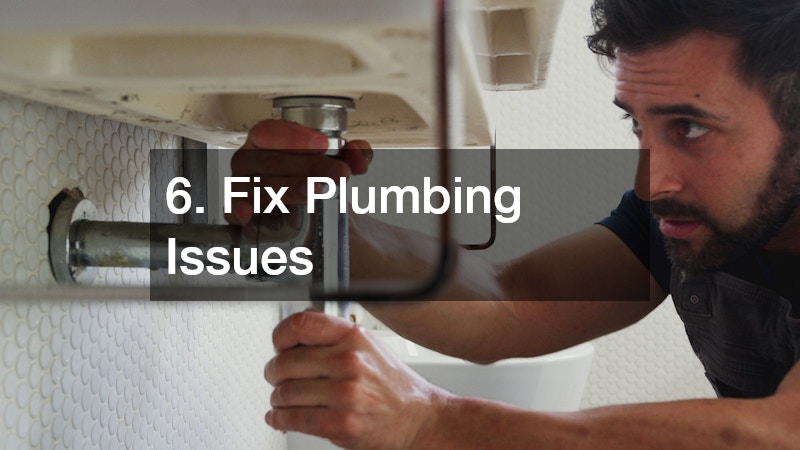
Proper plumbing is the backbone of any functional business, affecting operations, safety, and comfort. From office spaces to retail locations, restaurants, and industrial facilities, functional plumbing ensures water supply, waste removal, and hygiene standards are maintained. Neglecting plumbing issues can lead to significant damage, including flooding, structural deterioration, and health hazards due to leaks or stagnant water.
Partnering with experienced commercial plumbing professionals provides a proactive approach to maintaining and repairing plumbing systems. These specialists handle a wide range of services, from routine maintenance, such as pipe inspections and drain cleaning, to complex projects like repiping, water heater installations, and backflow prevention. With proper tools, expertise, and adherence to building codes, commercial plumbers safeguard operations while minimizing disruptions and downtime.
Furthermore, modern plumbing solutions include water efficiency technologies, leak detection systems, and preventative maintenance programs. Businesses can reduce operational costs and environmental impact by integrating water-saving fixtures and routine monitoring. A robust plumbing infrastructure enhances employee comfort, customer experience, and operational reliability.
7. Remove Hazards Safely
Workplace safety is paramount for any business, particularly when older buildings may contain hazardous materials such as asbestos. Exposure to asbestos can lead to serious health issues, legal liability, and regulatory violations. Proactive mitigation ensures that the work environment is safe for employees, clients, and visitors while maintaining compliance with local and federal regulations.
Engaging professional asbestos abatement services provides specialized expertise in identifying, containing, and removing asbestos safely. These teams follow strict protocols for handling hazardous materials, including proper protective equipment, containment methods, and disposal procedures. Attempting removal without trained professionals risks contamination, costly fines, and serious health consequences, making certified abatement companies indispensable for businesses in older structures or renovation projects.
Beyond immediate safety, asbestos removal projects often include detailed inspections, air quality monitoring, and follow-up assessments to ensure all traces of the material are safely managed. Integrating these services into broader facility maintenance plans supports long-term operational safety, insurance compliance, and employee well-being.
8. Promote Your Brand

Brand visibility is a key component of business growth, and promotional products remain one of the most effective strategies for marketing and customer engagement. Tangible items, such as branded pens, apparel, drinkware, and tech accessories, create a lasting impression and foster brand loyalty. For both new and established businesses, promotional products serve as cost-effective tools to increase reach, reinforce brand identity, and generate positive associations with the company.
Partnering with professional promotional product providers ensures high-quality customization, durable materials, and cohesive branding. These experts assist with design, selection, and sourcing, aligning items with company messaging and target audience preferences. Products can be distributed at events, trade shows, or through customer appreciation initiatives, maximizing their impact. Strategic use of branded items enhances marketing campaigns and drives word-of-mouth referrals, establishing credibility in competitive markets.
9. Maintain Roof Integrity
A well-maintained roof is critical to protecting a business’s assets, ensuring employee safety, and preventing costly structural damage. Roof issues such as leaks, cracks, or worn materials can lead to water intrusion, energy inefficiency, and deterioration of building interiors. Regular maintenance and timely repairs are essential for extending roof lifespan and safeguarding operational continuity.
Working with professional commercial roofers ensures that roofing systems are inspected, repaired, and upgraded according to industry standards. Skilled contractors can identify potential issues before they escalate, implement preventative maintenance strategies, and perform replacements or enhancements with high-quality materials. From flat commercial roofs to complex multi-level structures, roofing experts provide tailored solutions that align with the building’s specific needs.
10. Protect Your Business Legally
Legal compliance and risk management are essential for every business, particularly in the early stages of operations. From contracts and intellectual property to employment regulations and liability concerns, businesses face a complex legal landscape that requires careful oversight. Failure to address these matters can lead to costly disputes, fines, or operational disruptions.
Engaging local business lawyers provides specialized expertise in drafting, reviewing, and enforcing legal agreements while ensuring compliance with local and federal laws. Legal counsel can advise on contracts with suppliers, client agreements, employment policies, and regulatory obligations, helping businesses navigate challenges proactively rather than reactively. Access to a trusted lawyer also supports dispute resolution, risk mitigation, and strategic planning, offering peace of mind for owners.
Establishing a successful business requires attention to both daily operations and long-term planning. By prioritizing tasks such as maintaining clean spaces, supporting local growth, ensuring efficient systems, and protecting assets, business owners lay a strong foundation for sustainable success. Engaging experts in areas like commercial plumbing, roofing, promotional products, and legal counsel ensures operational efficiency, safety, and growth potential. Each item on this to-do list highlights the importance of proactive management, professional partnerships, and strategic planning. Following these steps equips businesses to thrive, remain resilient, and achieve lasting success in competitive markets.